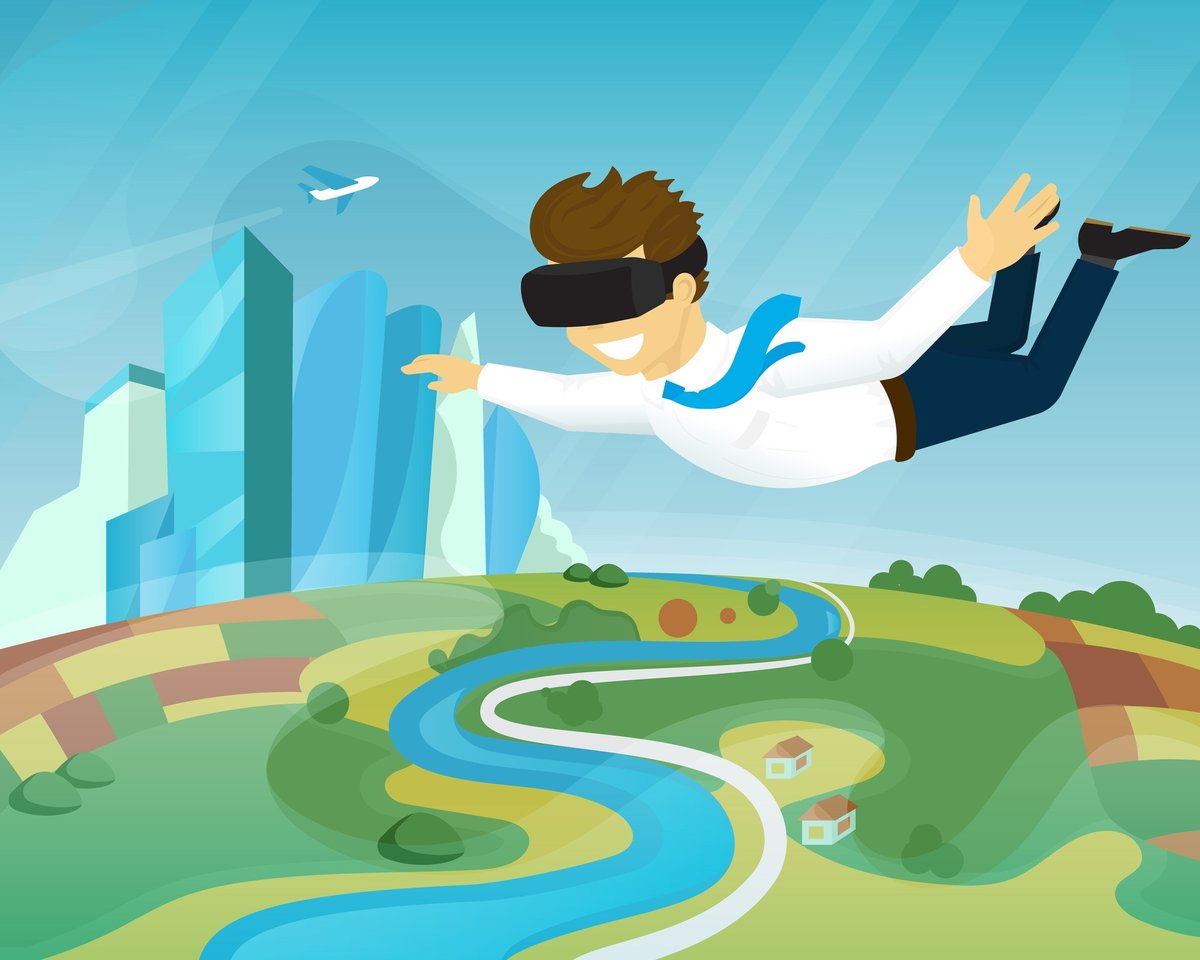
In an increasingly complex world, passive learning methods often fall short. That's where the potent synergy of simulations and games steps in, transforming education and training into dynamic, engaging experiences. Forget dusty textbooks and droning lectures; we're talking about practical applications that push learners to actively explore, experiment, and master skills in environments designed for real-world impact. This isn't just about fun; it's about building competence, fostering critical thinking, and driving genuine understanding.
At a Glance: Why Simulations & Games Are Game-Changers
- Active Engagement: Moves learners from passive observation to hands-on participation.
- Safe Experimentation: Provides a low-stakes environment to "try, fail, and learn" without real-world consequences.
- Personalized Pace: Allows individuals to learn at their own speed, mastering content before moving on.
- Instant Feedback: Gives immediate clarity on performance, reinforcing good decisions and correcting errors.
- Objective Assessment: Standardized rules ensure fair evaluation and consistent learning experiences.
- Cost-Effective Scalability: More economical and broadly distributable than many traditional training methods.
- Real-World Skills: Enhances problem-solving, decision-making, critical thinking, and collaboration.
- Inclusive Design: Supports diverse learners through accessibility features and multi-platform content.
Beyond the Arcade: The Unignorable Benefits of Interactive Learning
When you boil it down, effective learning happens when people are invested, challenged, and supported. Traditional methods often struggle with these elements, leading to disengagement and superficial understanding. This is where well-designed learning games and simulations shine, offering a suite of benefits that redefine the educational landscape.
First and foremost, they demand active engagement. Unlike a lecture where minds can drift, simulations and games compel learners to participate directly, make choices, and observe outcomes. This hands-on approach transforms abstract concepts into tangible experiences. Imagine learning surgical procedures through a simulator versus simply reading about them – the difference in retention and skill transfer is monumental.
They also champion adaptability, fostering a crucial "try, fail, learn" loop. In a safe, virtual environment, mistakes aren't failures; they're valuable data points. Learners can experiment with different strategies, adapt their skills, and see the consequences of their actions without fear of real-world repercussions. This iterative process builds resilience and a deeper understanding of cause-and-effect.
One of the often-overlooked advantages is self-paced learning. Every individual has their own learning rhythm. Some grasp concepts quickly, others need more time to absorb and practice. Simulations and games cater to this by allowing learners to tailor the pace to their individual temperament, revisiting challenging sections or accelerating through familiar material. This personalization prevents frustration and maximizes comprehension.
Then there's the power of immediate feedback. In many educational settings, feedback can be delayed, sometimes by days or weeks. But a game or simulation provides instant recognition of performance—be it points, badges, demerits, or a clear "correct/incorrect." This instant gratification (or immediate course correction) powerfully reinforces learning, helping to solidify understanding right when it matters most.
From a structural standpoint, simulations and games introduce standardization. Rules apply equally to all participants, which allows for better, more objective assessments of knowledge and skill acquisition. This consistency is invaluable in training programs where a baseline level of competency is critical.
Finally, consider the cost-effectiveness. Once developed, digital simulations and games can be deployed to countless learners globally, often at a significantly lower cost than recurring instructor-led workshops or expensive in-person training sessions. This broad distributability makes high-quality learning accessible on an unprecedented scale.
The Learning Playground: Diverse Styles of Game-Based Engagement
Not all games are created equal, especially when it comes to learning. The key lies in matching the game style to the specific learning objectives. Think of it as a specialized toolbox, with each tool designed for a particular job:
- Flash Cards & Game Show Competitions: These are the workhorses for memorization and drill-based applications. Need to master medical terminology, historical dates, or foreign language vocabulary? These formats make repetitive learning engaging and competitive, turning rote tasks into interactive challenges.
- Role-Play & Quests: Ideal for encouraging imitation, reinforcing continuous practice, and tackling increasingly challenging content. Whether you're practicing customer service scenarios or navigating complex ethical dilemmas, role-playing allows learners to step into different shoes, while quests provide a structured path with escalating difficulty, keeping motivation high.
- Strategy & Adventure Games: When the goal is to foster decision-making abilities, sharpen choice-making, and quiz critical thinking skills, these genres shine. Players must analyze situations, weigh options, predict outcomes, and adapt their plans, mimicking the complexities of real-world strategic thinking.
- Multi-Player Gaming: Built inherently to promote collaboration and teamwork. These games necessitate communication, shared goal-setting, and synchronized effort, making them perfect for developing interpersonal skills vital in any professional or academic setting.
- Open-Ended Simulation: The gold standard for teaching experimentation and logic. By offering scenarios without a single "right" or "wrong" answer, these simulations encourage learners to explore possibilities, test hypotheses, and understand systems. Imagine a stock market simulator where you learn by seeing the impact of various investment strategies, or a chemistry simulation where you mix compounds to observe reactions.
- Timed Games & Reflex Testing: Designed to foster quick thinking and "out-of-the-box" problem-solving under pressure. These games build cognitive agility, preparing learners to react swiftly and effectively in high-stakes situations.
The beauty of game-based learning design is that it's rarely a one-size-fits-all approach. Often, the most powerful learning experiences judiciously mix and match these elements within a single course, creating a rich, multi-faceted journey that keeps learners on their toes and caters to various learning preferences.
Crafting Engaging Experiences: Principles of Gamified eLearning Design
Simply slapping points onto a module isn't true gamification. Incorporating gaming effectively into eLearning content requires a thoughtful approach, adhering to specific design concepts that truly enhance learning:
- Defined Goals Harmonized with Learning Objectives: The most critical step. What should players learn by the end of this game? The game's narrative, challenges, and rewards must directly align with and reinforce these educational outcomes. If the game's goal is to rescue a princess, but the learning objective is financial literacy, you've missed the mark. The game's objective should be about managing resources effectively to achieve a financial goal.
- Personalization to Reflect Individual Preferences: People are more invested when they feel a sense of ownership. Providing customized learning experiences—from choosing avatars and colors to selecting quest objectives or learning paths—can significantly boost engagement. This level of personalization makes the learning journey feel unique to each player.
- Gradual Progression Through Increasingly Complex Levels: Imagine starting a game at the hardest difficulty. Frustrating, right? Learning games must allow players to advance through increasingly complex levels, introducing new concepts and challenges incrementally. This gradual progression maintains interest, prevents overwhelm, and builds confidence as learners master each stage.
- Reinforcing Self-Accomplishment through Recognition: Acknowledging effort and success is powerful. After learners clear simulated hurdles or solve a challenging problem, reinforce their self-accomplishment through recognition—be it virtual badges, level-ups, or a congratulatory message. This positive reinforcement motivates continued effort.
- Illustrated Progress for Continuous Motivation: Humans are visual creatures. Visually demonstrating player progress—through scores, points accumulated, virtual treasures, leaderboards, or progress bars—keeps learners motivated. Seeing how far they've come and what lies ahead provides a clear sense of achievement and direction.
The core idea is that gaming mechanics should be directly linked to learning objectives, promoting real-world behavior through simulation and reinforcing skills via repetition and constructive feedback. This thoughtful integration transforms passive content into an active, memorable experience.
Beyond the Classroom: Real-World Impact Across Industries
The practical applications of simulations and games extend far beyond traditional academic settings, enhancing critical thinking, problem-solving, systems thinking, and creativity across a multitude of sectors.
It's helpful to first understand the nuance between the two terms, though they often overlap in their educational potential:
- Simulations: These are interactive models of real-world phenomena, designed to help you understand how a system works. They typically don't have a defined "win" condition, focusing instead on allowing you to experiment, observe outcomes, and learn through exploration. Think of a flight simulator for pilots or a stock market simulator for investors. The goal isn't to "win" the market, but to learn its dynamics and how your decisions impact results.
- Digital Games: While often simulating real life, digital games frequently incorporate fantasy or story elements and typically have a definite end goal. This might be acquiring a certain number of points, advancing to higher levels, or completing a specific quest. They provide guided exploration and interaction with strong educational potential, but usually within a framed narrative.
Both offer powerful avenues for guided exploration and interaction, making them invaluable tools.
Deep Dive: Science Education & Beyond
In science education, digital games and simulations are particularly transformative, allowing students to engage with concepts that would otherwise be inaccessible.
- Introducing and Explaining Phenomena:
Imagine trying to observe the intricacies of particle-level dissolution in a classroom, or the immense scale of planetary movement. Many scientific phenomena are simply too big, too small, too far, too difficult, or too dangerous for direct classroom observation. Digital simulations bridge this gap. Students can learn and test theories (what scientists call "sensemaking") by interacting with virtual representations.
- Example: A simulation like "Light Up the Cave" helps students explore different light sources and their properties, something difficult to replicate safely and comprehensively in a classroom. Similarly, a "Sugar Simulation" allows students to visualize sugar molecules dissolving at a particle level, making abstract concepts concrete.
- Developing Science and Engineering Skills:
Beyond just understanding phenomena, simulations and games are instrumental in cultivating core scientific and engineering competencies:
- Developing and Using Models: Students can construct and manipulate simulated models to represent events, make predictions, and form arguments. For instance, a game like "Sunlight on the National Mall" could allow students to adjust variables to understand the apparent movement of the sun throughout the day, building and testing their own models of celestial mechanics.
- Engineering and Problem-Solving: Digital environments provide a safe sandbox for students to apply iterative design. They can test multiple solutions to real-world problems, observe their efficacy, and refine their approaches. Think of a "Mini Golf Motion" game where students must design and modify courses to understand object collisions and trajectory – a perfect blend of physics and engineering.
- Mathematics and Computational Thinking: Games can represent variables and quantitative relationships, pushing students to analyze data, identify trends, and solve complex problems. A compelling example is "Aquation: The Freshwater Access Game," which challenges players to manage global freshwater access, requiring them to engage with statistical data, resource allocation, and computational strategies to ensure equitable distribution. In fact, many complex simulations, from economic models to weather predictions, rely on sophisticated algorithms, often involving techniques for generating random numbers in Python to introduce variability and realistic outcomes.
Building Your Own Learning Worlds: Tools and Inclusivity
The landscape for creating eLearning games and simulations has dramatically evolved. Modern tools are increasingly user-friendly, empowering Instructional Designers to craft rich interactive content without needing to be skilled programmers. These platforms support a wide array of content development, including:
- Soft-skill simulation: Practicing difficult conversations, leadership scenarios, or conflict resolution.
- Role-playing: Stepping into customer service roles, management positions, or historical figures.
- Scenario/story-based content: Navigating complex ethical dilemmas, troubleshooting technical issues, or making strategic business decisions.
This democratization of content creation means that impactful, engaging learning experiences are more accessible to organizations of all sizes.
Ensuring Equity and Inclusion in Design (DEAI)
For educational games and simulations to truly drive effective learning for everyone, they must be built with Diversity, Equity, Accessibility, and Inclusion (DEAI) at their core. This isn't an add-on; it's a foundational principle:
- In-Game Accessibility Features:
- Colorblindness Considerations: Over 4% of the global population is affected by colorblindness. Designers must test their games to ensure sufficient color contrast, avoiding reliance solely on color to convey critical information.
- Voiceover for All Text: Adding voiceover to all on-screen text benefits not only low-vision learners but also emerging readers, those with learning disabilities, and even provides a better overall user experience for everyone.
- Platform and Language Equity:
- Multi-Platform Support: Learning shouldn't be limited by device. Supporting various platforms—laptops, Chromebooks, tablets, smartphones—via native or web apps ensures broader access, especially for students in diverse socio-economic settings.
- Multiple Languages: Releasing content in multiple languages (e.g., English and Spanish) significantly expands reach and ensures that linguistic barriers don't hinder learning.
- Supportive Surrounding Materials:
- Text Alternative Stories: For students with visual or motor challenges, providing text-based alternative stories or descriptions of game scenarios allows them to engage with the narrative and concepts.
- Offline Activities: Recognizing that not all learners have consistent internet access, offering offline activities that complement the digital content ensures continuity of learning.
- Teacher Tips for Diverse Devices: Providing clear guidance for educators on how to implement games across various devices and learning environments is crucial for seamless integration.
Organizations like the Smithsonian Science Education Center (SSEC) exemplify these best practices. They publish freely available, NGSS-aligned K-5 digital games and simulations that intentionally focus on inclusive product development, striving to expand scientific and engineering literacy for all children, regardless of background or ability. Their work is a testament to what's possible when practical application meets purposeful, inclusive design.
Common Questions & Misconceptions About Learning Games
Despite their growing popularity, some myths and misunderstandings still surround the use of simulations and games in learning. Let's address a few:
"Are games just for kids? My employees are adults!"
Absolutely not. While games are fantastic for children, adult learners benefit immensely from game-based approaches. Research shows that engagement, motivation, and retention are universal benefits, regardless of age. Adults often appreciate the safe space to practice complex skills, receive immediate feedback, and the chance to experiment without real-world risk, whether it's in corporate training, medical education, or leadership development.
"Isn't developing these sorts of experiences incredibly expensive?"
It can be, depending on complexity and fidelity. However, with the rise of user-friendly authoring tools and a focus on modular design, creating effective learning games and simulations has become significantly more accessible and cost-effective than in the past. The return on investment (ROI) often justifies the initial outlay, especially when considering the scalability and consistent quality of digital training compared to repeated instructor-led sessions.
"How do you actually measure success? Is it just about 'fun'?"
"Fun" is a bonus, but engagement is the real driver. Success is measured by how well the game's objectives align with and achieve the learning outcomes. This can be assessed through in-game analytics (e.g., progress tracking, completion rates, choices made), pre- and post-assessments, performance on simulated tasks, and even real-world application of the learned skills. Well-designed games provide rich data for objective assessment.
"Is this just a passing fad in education?"
The integration of simulations and games into learning is a growing trend rooted in robust pedagogical principles, not a fad. The move towards active, experiential, and personalized learning is fundamental, and simulations and games are powerful tools to achieve this. As technology advances and understanding of cognitive science deepens, their role is only set to expand further.
Your Next Steps in Harnessing Simulations and Games
The journey into leveraging simulations and games for effective learning is not just about technology; it's about a shift in pedagogical mindset. It's an embrace of active, experimental, and engaging methods that truly resonate with how humans learn best.
If you're looking to integrate these powerful tools into your educational or training programs, consider these actionable steps:
- Define Your Learning Objectives First: Before thinking about game mechanics, clearly articulate what you want learners to know or be able to do. The game should serve these objectives, not the other way around.
- Start Small, Iterate Often: You don't need a massive, AAA-budget game to begin. Even simple gamified elements or scenario-based simulations can yield significant benefits. Test, gather feedback, and refine your approach.
- Prioritize User Experience and Accessibility: Remember the DEAI principles. A brilliant simulation is only effective if everyone can access and interact with it comfortably.
- Embrace "Failure" as a Learning Opportunity: Design your simulations so that making mistakes is not only allowed but encouraged, providing constructive feedback to guide learners toward mastery.
- Look for User-Friendly Tools: Explore the growing ecosystem of authoring tools that allow instructional designers to create engaging content without needing extensive coding knowledge.
- Measure What Matters: Establish clear metrics for success from the outset. How will you know if your simulation or game is achieving its intended learning outcomes?
By thoughtfully applying the principles of practical applications of simulations and games, you're not just innovating; you're creating truly impactful, memorable, and effective learning experiences that prepare individuals for the complexities of the real world. The future of learning is interactive, and the opportunities are limitless.